.jpg)
Patrick’s recovery was not just about overcoming addiction — it was about rebuilding his identity after life‑altering trauma. After surviving a devastating accident at nineteen that left him paraplegic, Patrick struggled with pain, loneliness, and dependence on drugs and alcohol. But when a drug‑induced psychosis shook him to his core, he made the brave decision to ask for help. From that moment forward, he committed himself to sobriety with a determination that inspired everyone around him. As his mother wrote, “He was not the joyful boy I recalled from his childhood but was yet again broken and bruised.” Yet Patrick pushed forward, transforming his pain into purpose and becoming a source of strength for others walking the same difficult path.
.jpg)
Patrick's Recovery Steps
Patrick's New Path
Patrick’s recovery began with a moment of clarity born from fear. After years of battling the emotional and physical aftermath of his accident, he slipped deeper into substance use as a way to cope with pain and loneliness. But when he experienced a drug‑induced psychosis, everything changed. It was the moment he realized he could lose far more than his mobility — he could lose himself.
This moment didn’t break him. It awakened him.
He reached out to his family and asked for help, a decision that required immense vulnerability and strength. His mother saw the shift immediately: the fear in his eyes, the exhaustion in his voice, and the quiet determination to reclaim his life. This was the beginning of his fight back.
Patrick’s recovery began at the Farley Center in March 2023, after a terrifying drug‑induced psychosis pushed him to ask for help. When he entered the 28‑day program, he was, as his mother described, “broken and bruised” in a different way than after his accident — emotionally exhausted but determined to reclaim his life. During those weeks, he rebuilt trust, confronted his addiction, and reconnected with his family, calling often as he worked through the difficult emotional layers of healing. It was the beginning of a transformation that required courage, honesty, and a willingness to start over.
After rehab, Patrick moved into an Oxford House in Manassas to continue his recovery with structure and independence. Despite losing his license due to a DUI, he refused to let obstacles derail his progress. He wheeled himself miles to AA and NA meetings — sometimes “multiple times a day if he was having a rough day” — navigating traffic, weather, and physical strain. His mother worried constantly, but she also saw a resilience that few people ever witness. Patrick was choosing sobriety every single day, not because it was easy, but because he believed in the life he was rebuilding.
As he grew stronger, Patrick began helping others on their recovery journeys. He spoke at a rehabilitation facility, an experience that left him energized and proud, and he offered support to anyone who needed it — including a homeless man he encouraged to reach out if he ever wanted to get sober. His natural compassion made him a mentor within the AA, NA, and Oxford House communities. His friendship with Dylan, his “sober buddy,” became a lifeline for them both. They hunted and fished together, held each other accountable, and shared simple wisdom like Patrick’s favorite reminder: “Eat a couple of good meals, poop a couple of times, and you will get there before you know it.”
Even with all the progress he made, Patrick still battled loneliness and the fear that no one would see past his wheelchair. That changed when he met Eulalia in August 2024. She brought him a peace and happiness his family had long prayed for, and their connection gave him renewed hope for the future. In that short time Patrick and Eulalia found a love others wait a lifetime to experience. Patrick’s recovery was not defined by perfection, but by extraordinary courage — the courage to fight for his life, to help others fight for theirs, and to believe in love, purpose, and possibility again.
Art and Remembrance
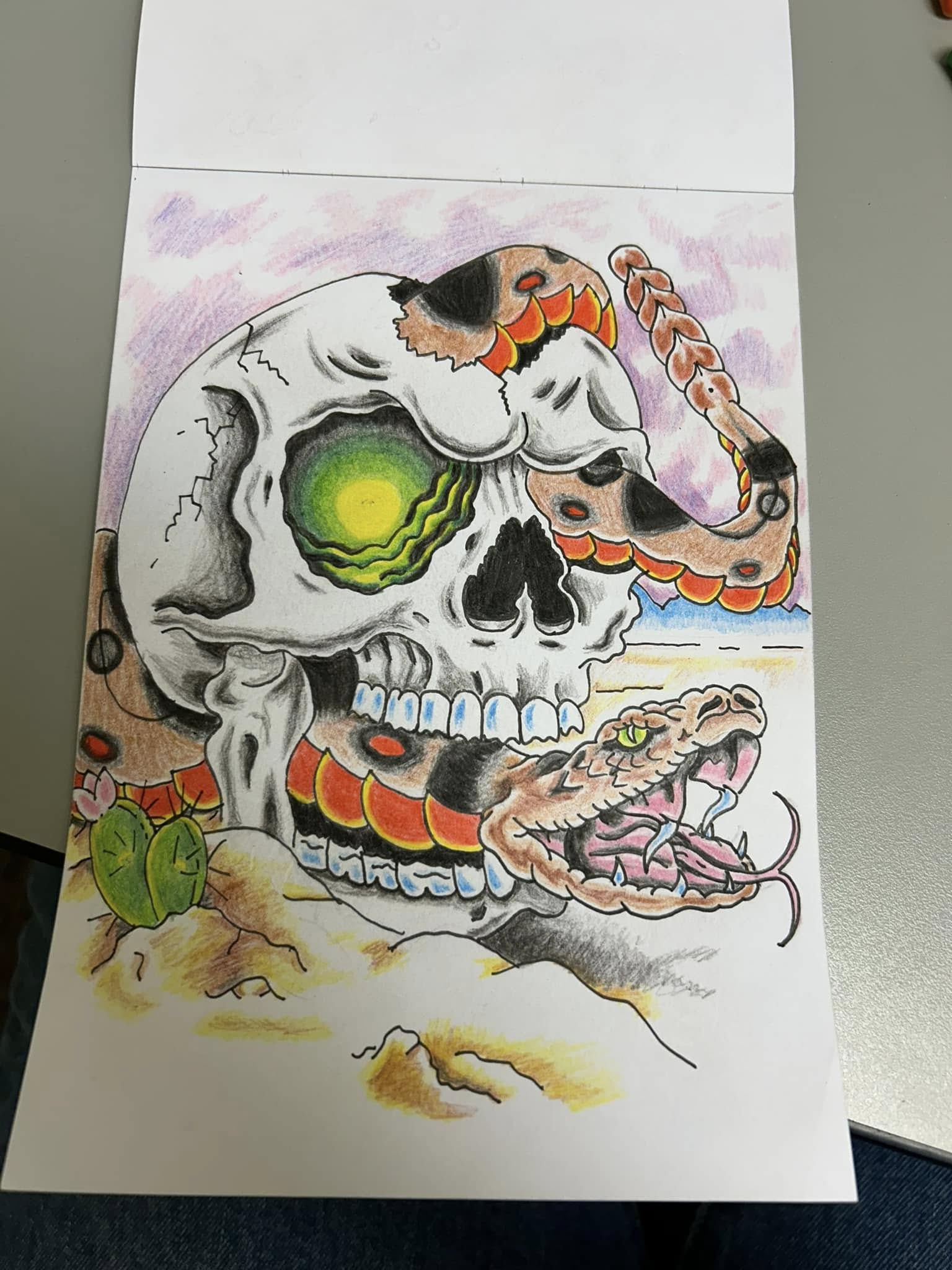
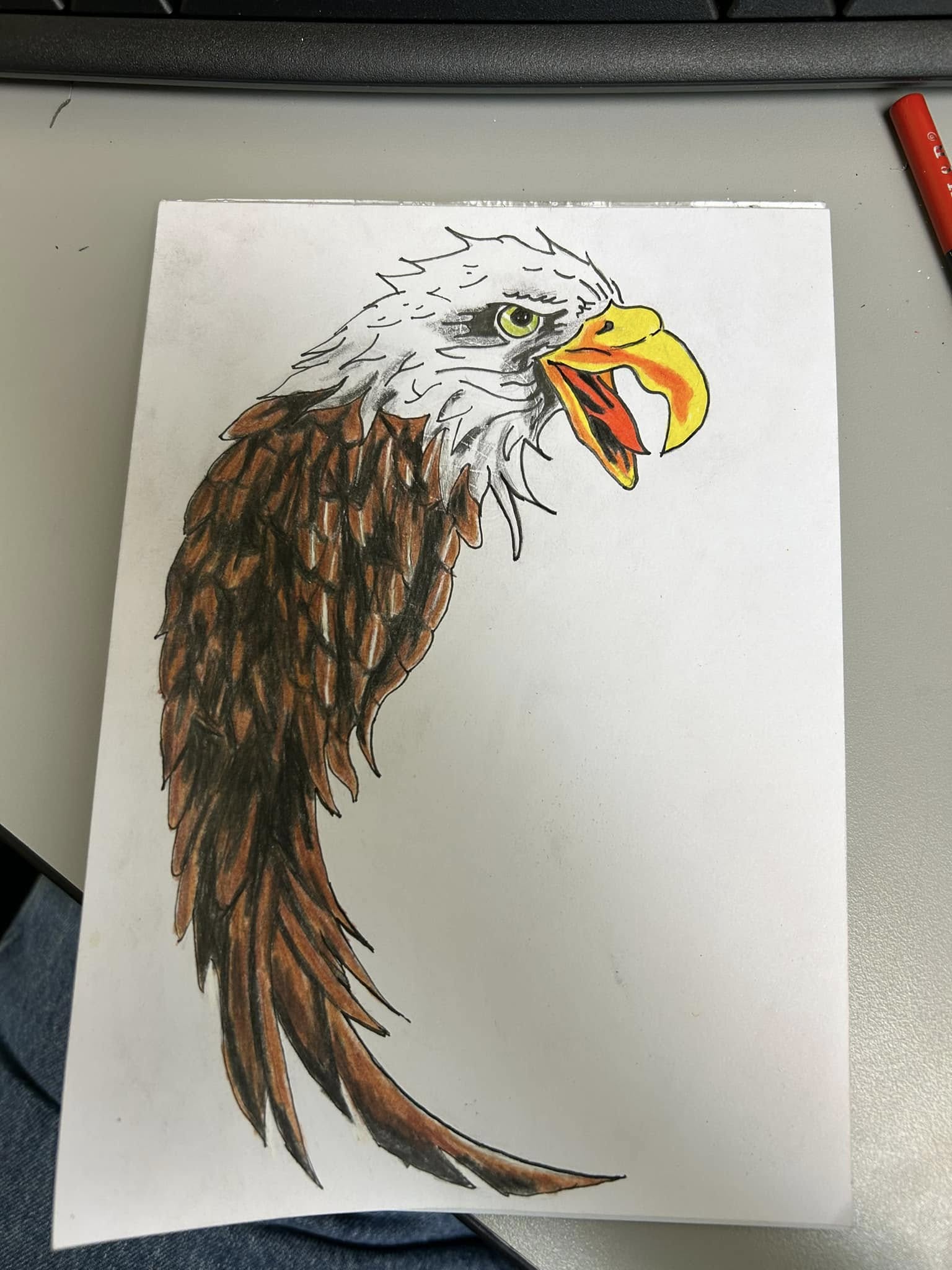
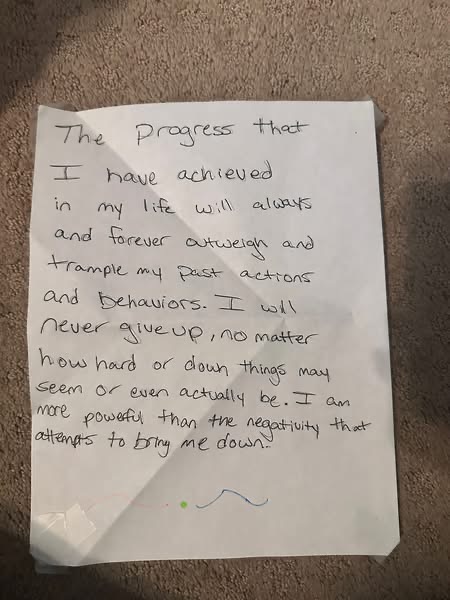
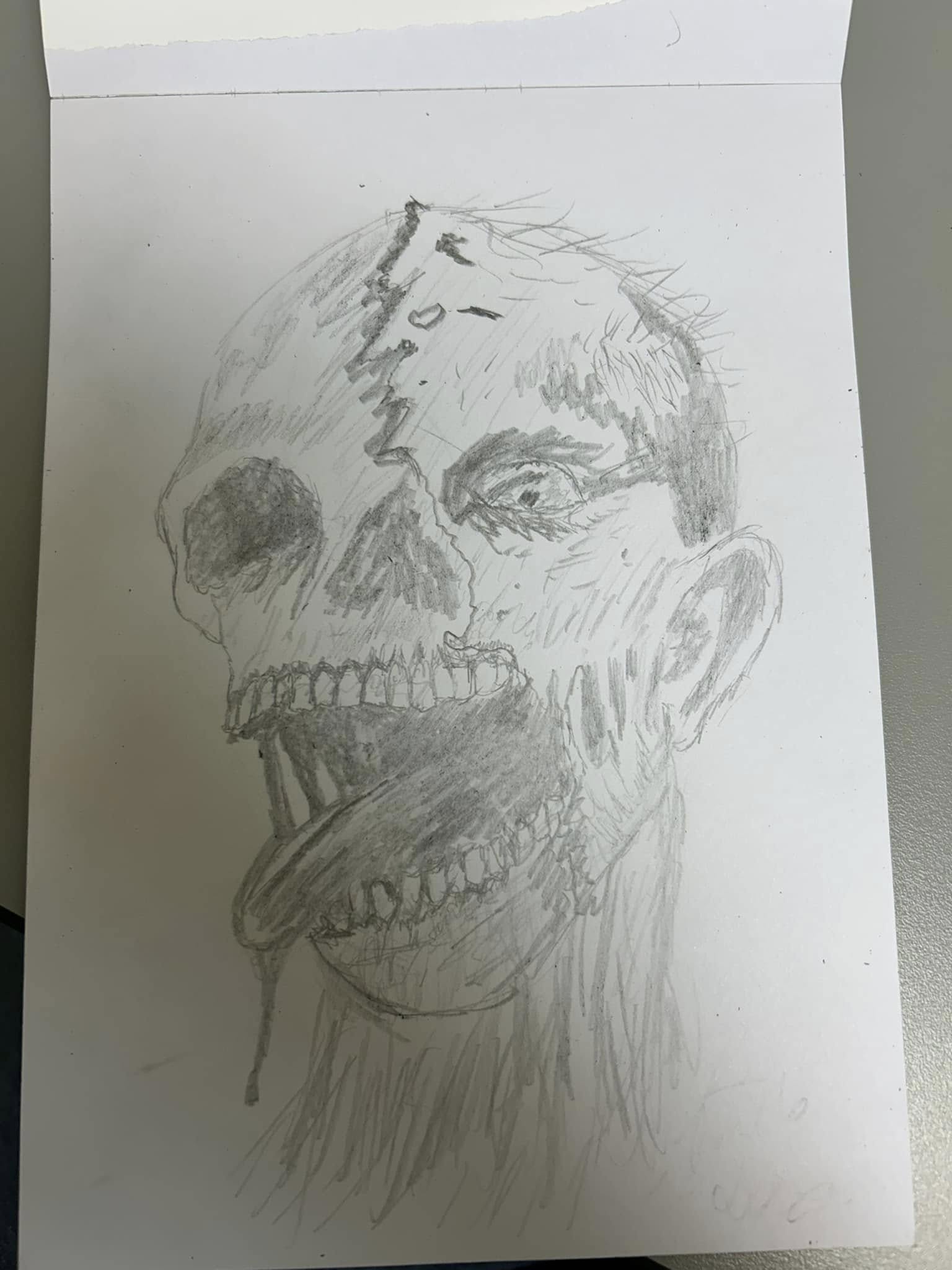
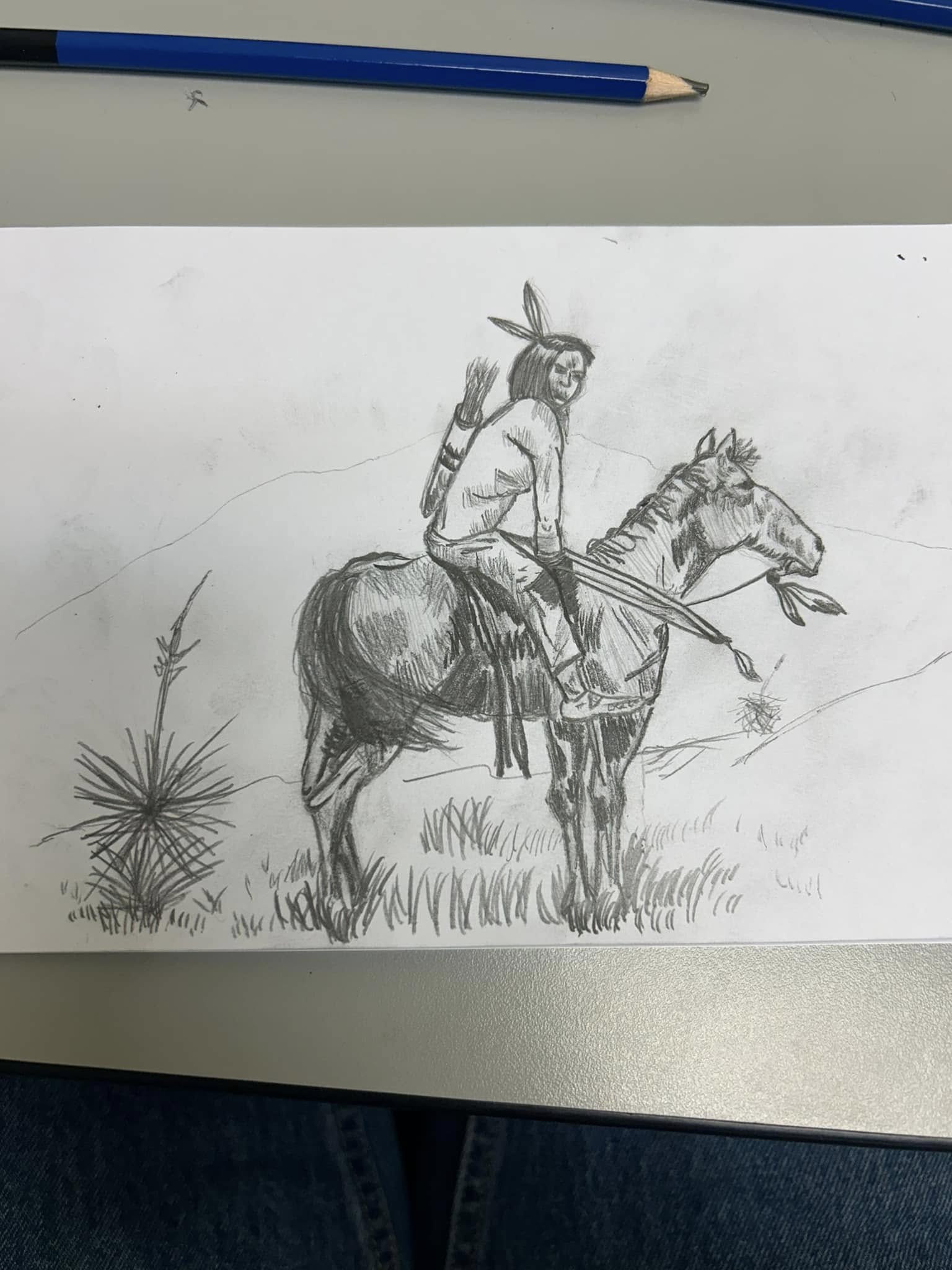
During his recovery, Patrick found strength in small but powerful rituals that helped him stay centered and connected to himself. He leaned on affirmations to quiet the fear and doubt that often surfaced during difficult days, repeating simple truths that reminded him of his resilience and worth. These affirmations became anchors — steady, grounding reminders that he was capable of rebuilding his life one step at a time. He also poured his emotions into drawing tattoo art, sketching designs that reflected his journey, his humor, and the parts of himself he was rediscovering. Creating these pieces gave him a sense of purpose and expression, a way to transform pain into something meaningful. Even as he faced loneliness and uncertainty, “he pushed himself every day” to stay focused on healing, and these creative practices became a quiet but essential part of his recovery.

Celebrating One Year of Sobriety
When Patrick reached one year of sobriety in his journey he celebrated by getting a tattoo of a swallow. This tattoo was commonly called a "Sailor Jerry" tattoo. Patrick chose this tattoo to signify his return to himself. At the time of his passing he was 20 months sober.




Hope & Guidance
Finding Strength in Each Other
I share Patrick’s story so you know that even in the darkest moments, you are never truly alone. If his journey resonates with you, I encourage you to reach out for the help you deserve and protect the ones you love by choosing a safe, sober ride home every time. By standing together, we can turn the pain of the past into a lifeline for someone else’s future.
Reach Out Now
Compassionate help is always available when you need it most. Reaching out is an act of bravery that marks the beginning of a new chapter for you and your family.
Sober Living
An Oxford House is a shared residence where people in recovery from drug and alcohol addiction can live together and support each other in a drug and alcohol-free environment.
Lend Your Heart
Showing up for someone you love can make all the difference. Discover how to provide a listening ear and gentle guidance to those navigating their own recovery.